Brampton Commercial Cleaning Pros
You must have regular cleaning scheduled according to risk factors, food processing capacity, food allergen presence, and regulatory checks, combined with documented records supporting HACCP compliance, inspection results, and government health requirements. The information below detail critical cleaning system elements.
Key Takeaways
- Brampton sanitation experts assist restaurants, grocery departments, commissaries, warehouses, bakeries, schools, mobile vendors, and allergen-sensitive operations.
- Zone-based workflows treat frequently contacted areas, food-contact equipment, kitchens, floors, drains, restrooms, and storage areas for avoiding cross-contamination.
- Proper chemical concentration, appropriateness, and contact time are validated by certified vendors, with finalization logged via checks, reviews, and correction logs.
- Everyday, weekly, and seasonal operations designated by section make up hygiene plans grounded on danger, output capacity, format changes, incidents, and guidelines.
- Insurance, color-categorized equipment, HACCP, public-health understanding, safety training education, references, and inspection-ready maintenance paperwork are essential contractor qualifications.
Which Brampton Establishments Need Food Safety Cleaning?
You must follow food safety cleaning if your operation is subject to health department oversight, food standards, or HACCP requirements. This covers eateries, dining areas, supply warehouses, retail departments, meat counters, fish departments, general stores, and facility-based kitchens.
You also need documented food sanitation in storage facilities, food production centers, refrigerated locations, bakery retailers, school meal programs, event venues, and food distribution hubs. Temporary and mobile establishments count too, including food trucks, event vendors, and temporary booths. If your staff handle ingredients, section prepared foods, heat finished items, or keep allergens stored, your facility needs recorded sanitation procedures. In Brampton, food safety isn't elective; it's part of lawful, functional, and customer safety adherence.
What Do Brampton Cleaning Professionals Handle?
You need cleaning experts who disinfect frequently contacted areas, kitchen areas, floor surfaces, and bathrooms to comply with food safety and health regulations. They target these areas because they present the highest risk for cross-contamination, slip hazards, and sanitation breaches.
By understanding their service scope, you are able to confirm your operation's sanitation protocols meet compliance standards.
Essential High-Touch Surface Sterilization
Professional Brampton sanitization specialists understand that high-touch surfaces require disinfection since these areas contain harmful organisms and food particles. You must have a written protocol for sterilizing frequently touched items like handles, plates, switches, railings, equipment controls, payment terminals, and fridge pulls. Using area assessment techniques, teams pinpoint every frequently handled point and assign cleaning schedule
confirm that disinfection was adequate and facilitate remedial steps if results come exceed required standards
Kitchen Areas, Floor Surfaces, and Bathroom Spaces
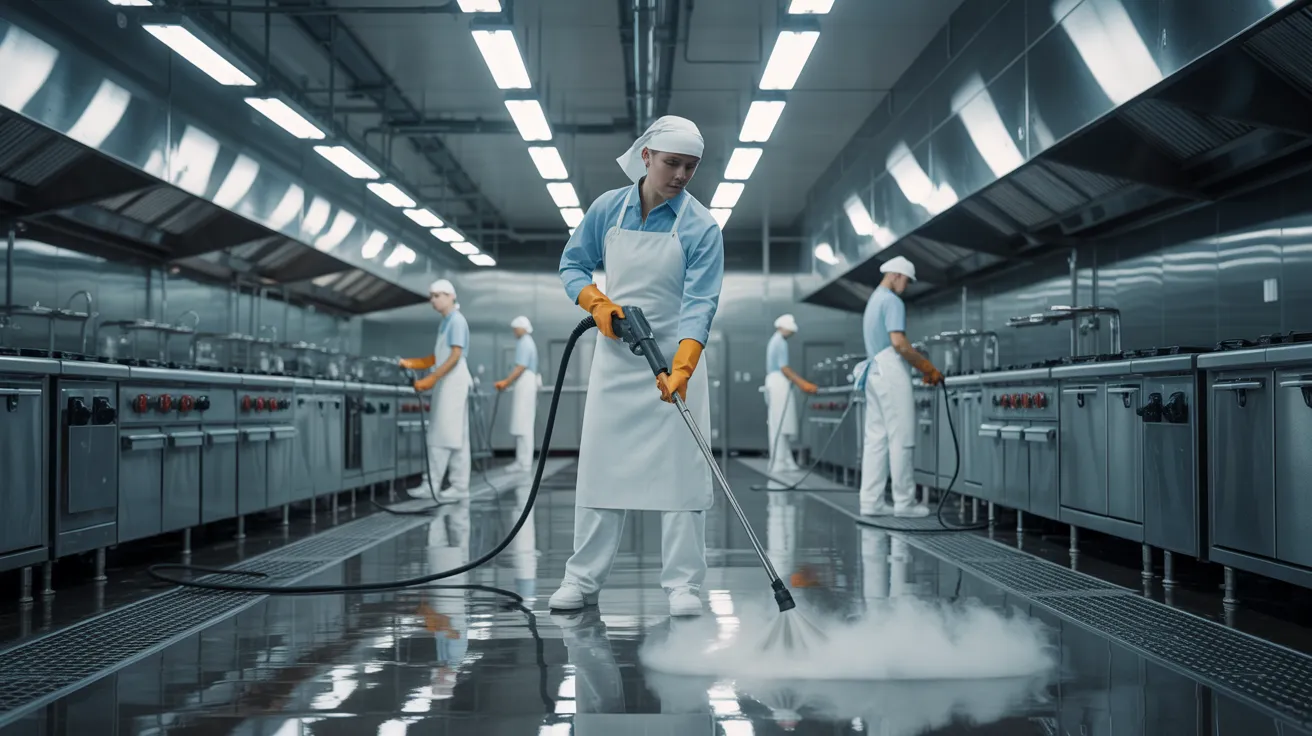
Brampton cleaning professionals will address kitchens, floors, and restrooms since each space presents separate hygiene concerns, injury, and public health challenges. In industrial kitchens, you need grease removal from cooking stations, appliance surfaces, drain systems, preparation areas, and backsplashes to minimize contamination and pest pressure.
Floor care that is documented should equally be anticipated. Technicians clean and remove buildup from grout, tile, and vinyl flooring, then apply proper moisture management so you can reduce slip incidents and maintain code-compliant conditions. They also handle entryways where moisture and debris migrate indoors.
For restroom sanitation, cleaners sanitize high-touch surfaces, bathroom fixtures, stall dividers, supply dispensers, and trash receptacles, then restock supplies and control odours. They also service restaurant moprooms, where chemical storage, sink hygiene, and drainage conditions can affect sanitation compliance and staff safety daily.
The Importance of Food Safety Cleaning in Brampton
To comply with regulatory mandates and pass inspections, Brampton establishments must maintain appropriate cleaning protocols. You also reduce bacterial spread through proper cleaning of food-preparation surfaces, appliances, and frequently-touched items. Most importantly, you safeguard public health by lowering the risk of foodborne illness in your facility.
Health Code Compliance
Since Brampton food businesses must follow rigorous sanitary regulations, your food safety cleaning directly impacts your capacity to satisfy health codes, ensure the safety of diners, and eliminate regulatory penalties. You must maintain clean food preparation areas, recorded sanitation plans, appropriate product handling, and verifiable staff procedures that meet municipal and provincial inspection expectations.
Diligent hygiene practices supports allergen control by minimizing particles on shared equipment plus commonly contacted zones. If your cleaning standards decline, you expose yourself to infractions, compliance orders, loss of reputation, and service disruption risks during follow-up inspections or enforcement actions.
Contamination Prevention
Maintaining health code standards copyrights on your capacity to prevent cross-contamination during everyday food preparation and sanitation. You need to partition uncooked items from finished dishes, sterilize work zones between assignments, and position cleaning agents away from food surfaces. Clear procedures reduce transfer risks and reinforce steady regulatory adherence.
You should implement allergen segregation to prevent major allergens from touching common work areas, storage bins, or tools. Employ separate boards, labeled implements, and strict utensil labeling so staff don't mix items during preparation or service. Require handwashing after handling uncooked proteins, shellfish, egg items, or allergen products. Replace wiping cloths regularly, and check disinfectant potency using test kits. When you train staff to follow these controls every shift, you create a cleaner, safer operation that meets Brampton's food safety expectations daily.
Public Health Protection
Should food safety cleaning break, you don't simply encounter inspection problems—you increase the potential of foodborne illness impacting customers, staff, and the wider Brampton community. You also weaken your role in safeguarding community wellness, especially in high-traffic food premises where pathogens travel quickly through surfaces, equipment, and touchpoints.
You require sanitation systems that remove contaminants, sanitize effectively, and confirm results. This involves maintaining contact periods, selecting approved disinfectants, documenting procedures, and coaching employees to meet health-unit expectations. These controls promote illness spread by minimizing pathogens before reaching surfaces or food. Throughout Brampton, strong cleaning safeguards susceptible populations, reduces outbreak risk, and proves accountability. When you follow proper protocols, you go beyond requirements—you lower hazards and facilitate secure food handling region-wide.
How Can Cleaning Practices Ensure Food Safety Compliance?
Upholding thorough cleaning protocols backs food safety compliance by lowering contamination exposure, controlling pathogen growth, and ensuring your facility complies with sanitation requirements under HACCP-based programs and public health regulations. You validate that food-contact surfaces stay visibly clean and microbiologically controlled, enabling documented preventive controls and inspection readiness.
Diligent cleaning also reinforces allergen mitigation by clearing residues that can cause undeclared allergen exposure. When you integrate established sanitation practices with regulatory training, your staff can implement established protocols, handle approved chemicals appropriately, maintain records accurately, and handle deviations prior to they escalate. Consistent cleaning enables traceability, verifies corrective actions, and exhibits due diligence in audits. Furthermore, it aids you maintain product quality, maintain operational adherence, and reduce the risk of punitive measures, recalls, formal complaints, and avoidable public health risks.
What's the Right Time to Arrange Commercial Cleaning?
everyday standard cleaning
Establish every week or monthly maintenance on drains, vents, storage racks, and hard-to-reach equipment zones, based on inspection findings and sanitation records. Set aside seasonal thorough cleaning for shutdowns, weather-related soil buildup, or pest-pressure periods
What Should You Look For in Brampton Cleaning Experts?
Evaluate providers first by food-safe sanitation requirements rather than price alone. You must ensure each provider understands CFIA, public health, and HACCP-aligned expectations for your business. Request insurance proof, WHMIS compliance, staff training documentation, and supervision methods. Check technician understanding of cross-contamination risks, chemical safety, and documented sanitation practices.
Additionally, you need to evaluate service dependability and accountability. Obtain references from food facilities in Brampton, then review response times, corrective measures, and communication practices. Verify the company conducts supplier reviews and can deliver compliance-ready records when inspectors or external parties need proof. Verify equipment upkeep, colour-coded tools are applied correctly, and location-specific dangers are identified. A capable service protects compliance, product quality, and your brand reputation.
Which components are part of a Food Safety Cleaning Plan?
Develop a written strategy that makes clear every sanitation task, standard, and responsibility before production begins. You should detail cleaning schedules, authorized chemicals, concentration levels, contact duration, implements, and validation techniques for each zone, surface, and piece of equipment. Incorporate pre-operational inspections, corrective actions, and employee training requirements.
Your plan should also address contamination prevention controls, waste handling procedures, pest management measures, and written schedules for rest areas, drains, flooring, and food-contact surfaces. Detail how you'll keep raw and ready-to-eat processes separate, support ingredient tracking, and maintain accurate allergen labeling through validated cleaning between product changes. You should set accountability, maintain signed records, and review results against regulatory standards, HACCP controls, and customer requirements. When gaps appear, modify procedures immediately and instruct staff.
Commonly Asked Questions
Will sanitation providers manage overnight shifts at Brampton properties?
If you operate regulated spaces, you'll also need documentation that enable audits and maintain compliance.
Can sanitation professionals handle hazardous incidents?
Yes, you can discover many Brampton cleaning professionals providing spill response options. They manage contamination, assess dangers, isolate contamination, and begin swift decontamination to reduce risk and avoid operational impact. You should verify response rates, credentials, safety protocols, and disposal methods. If your facility must adhere to regulations, select a service that tracks incidents, adheres to standards, and ensures audit compliance.
Do green disinfectants function safely on food preparation areas?
Definitely, green disinfectants work safely on food preparation areas if you buy items marked food-safe that meet compliance requirements. You need to verify contact times, dilution rates, and rinse protocols prior to application. Plant based formulas reduce harsh chemical exposure, but you need evidence of effectiveness against specific pathogens. To ensure residue free surfaces, stick to exact manufacturer guidelines and confirm your cleaning agent complies with applicable food industry sanitation standards.
Can sanitation programs flex with seasonal production changes?
Absolutely, maintenance plans are customizable detailed guide for seasonal variations. Revise frequencies, labor allocation, sanitizers, and verification steps to match operational cycles while preserving compliance standards. Lower equipment downtime through organizing sanitation around changeovers, maximum output, and usage patterns. Further modify written procedures, instruction programs, and environmental testing to account for temporary risks, new allergens, or increased soil loads. Continuous reviews maintain your program current.
Will professional cleaning services teach your staff on sanitation best practices?
Absolutely, professional cleaning companies regularly deliver employee education on hygiene standards. Your staff receives instruction on correct chemical handling, dwell times, cross-contamination prevention, machine takedown, and paperwork. They typically align instruction with HACCP, GMP, and CFIA or local public health requirements. Many conduct health inspections to verify compliance, pinpoint weaknesses, and strengthen corrective measures. This enables you to sustain uniform standards, clear audits, and reduce food safety risks consistently.
Conclusion
Through engaging Brampton commercial cleaning and food safety specialists, you do far more than tidy—you keep your operation prepared for inspections and your standards meet requirements. From production floors to kitchens, all maintained surfaces and kept corners help prevent pest problems and prevent significant costs. Through booking service at proper intervals and sticking to a solid cleaning plan, you safeguard your team, clients, and your standing. In a tightly controlled regulatory landscape, clean conditions must be a priority—they are fundamental to success.